Detectamet Europe (English - € EUR ) Click here to change your currency, region and language.




Latest News from Detectamet Detectable Products
- Posted: January 21, 2025Categories: Education
 Read more »
Everyone who works in food production understands the key role PPE (Personal Protective Equipment) plays in both worker safety and maintaining hygiene standards in food safety. Yet, maintaining these high standards often means finding a balance between comfort and functionality in the use of PPE.
For food processing businesses, this balance is more than a nice-to-have, it’s a necessity. Uncomfortable or inadequate PPE can compromise worker compliance, productivity and, ultimately, food safety.
Let’s look at the unique challenges of selecting PPE for food processing environments, highlighting the importance of detectability, comfort and function.
The Dual Role of PPE in Food Processing
PPE in food processing serves two primary purposes:
1: Protecting workers from workplace hazards.
2: Safeguarding food products from contamination.This dual role makes the selection of effective PPE
- Posted: January 07, 2025Categories: Education
 Read more »
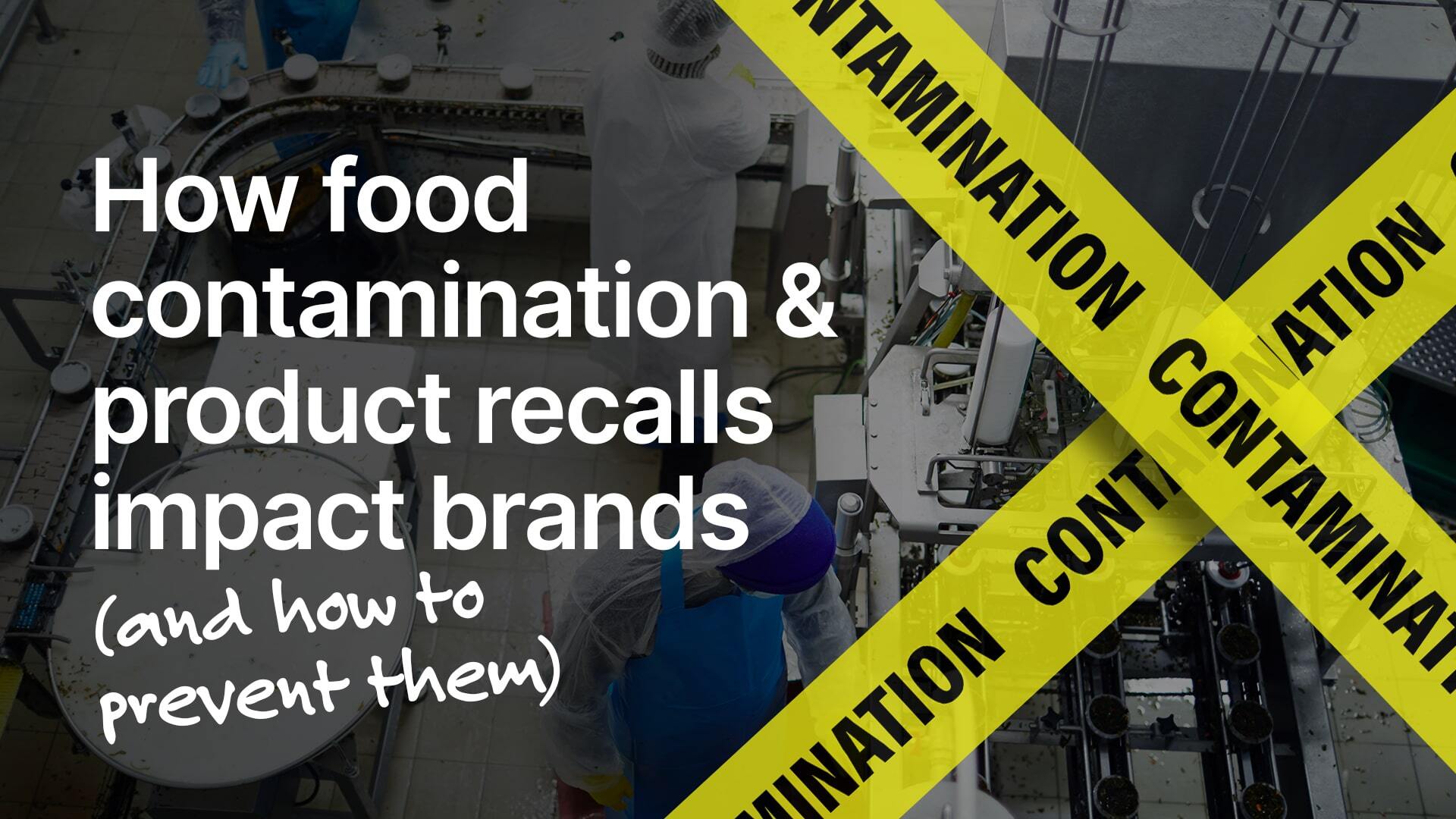
No one plans for a food contamination event and product recalls!
Each January, food manufacturers around the world set ambitious goals for growth and success. They should also factor into their plans the need to avoid food contamination and product recalls. The damage caused by such events doesn’t just endanger the health of your consumers and impact your bottom line in the short term; it can irreparably harm your brand's reputation.You’ve probably read about recent high-profile cases where foreign matter, namely fragments of metal, were discovered in frozen chicken nuggets, bagels and granola bars. We won’t name names - because these brands have suffered enough damage - instead, put yourself in their shoes. Imagine discovering that a customer has found a foreign object in your product. Now imagine the cascade of consequences: pulling products off shelves, issuing apologies, dealing with both financial and reputational fallout. And that’s if you’re fortunate enough
- Posted: December 16, 2024Categories: Education
 Read more »
Ensuring traceability and compliance is essential for food manufacturers aiming to protect their consumers, brand and bottom line. In the complex arena of food production, maintaining complete oversight of every product batch, from raw material to final shipment, is no easy task.
That’s where sequential numbering comes in. By attributing a unique, traceable code to every batch, item or production cycle, food manufacturers can track products at every stage of the supply chain. This enables faster recalls, more accurate reporting and improved compliance with regulatory standards like HACCP, FDA and EU regulations.
In this guide, we’ll explore:
What sequential numbering is
Why it matters for food processors
How Detectamet supports sequential numbering with detectable products
Read on to strengthen your food safety processes, stay ahead of audits and improve traceability.
What is sequential numbering in food manufacturing?
- Posted: December 10, 2024Categories: Education
 Read more »
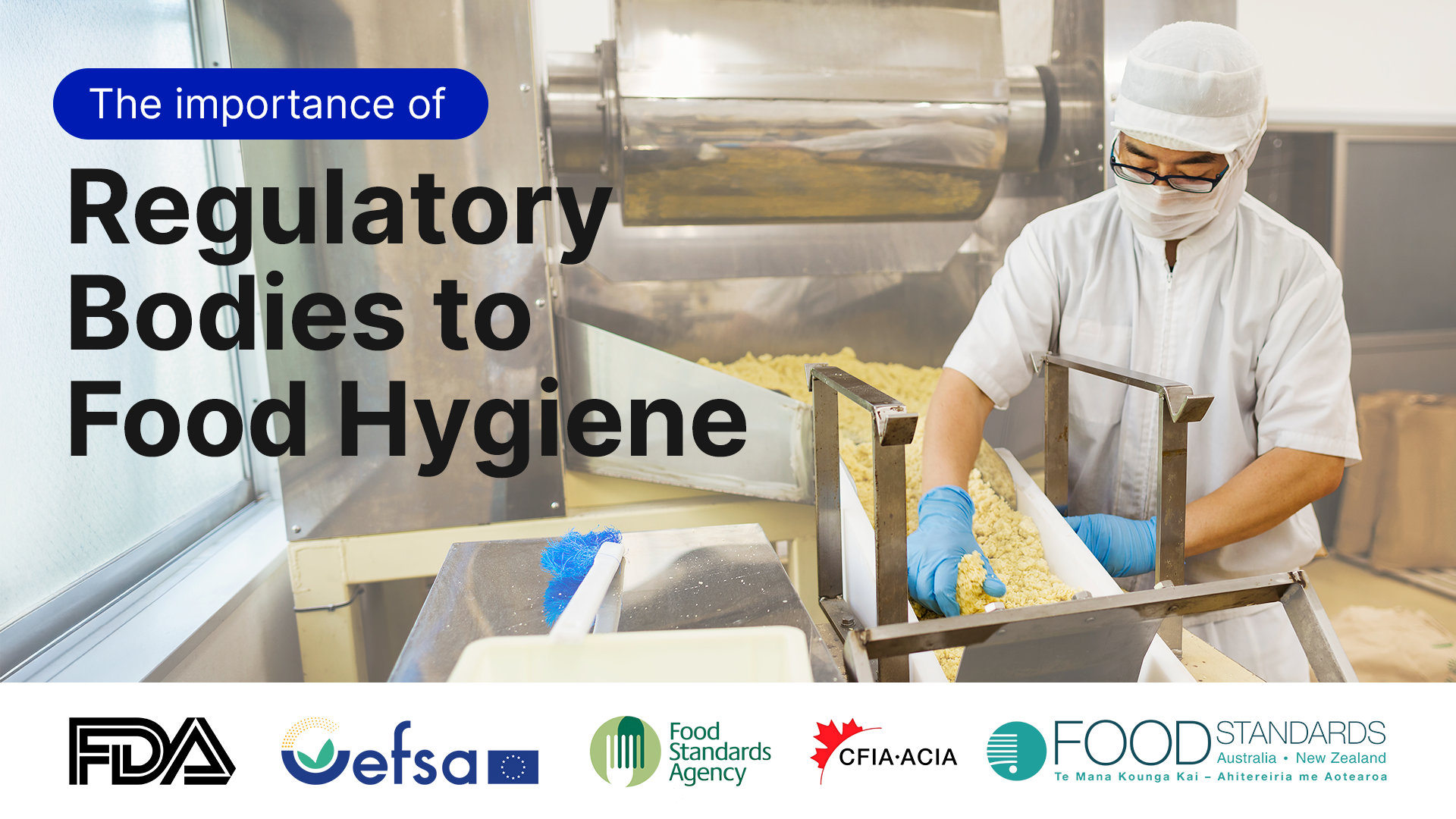
In the food production and processing industries, we all know that regulatory bodies play a critical role in ensuring the quality and safety of food products for consumers while helping businesses remain compliant and efficient.
It’s important to remember that the regulatory bodies shouldn’t be seen as simply generating red tape designed to tangle up food processing businesses. Instead, they should be welcomed as partners who are helping to raise and maintain standards and ensure the customers receive the best possible food, so the producers of that food enjoy a lucrative business future.
At Detectamet, we didn’t get to be a global leader in detectable products for food safety by ignoring the importance of validation and regulation. Adherence to appropriate regulations is central to our mission.Let’s cast a light onto the key regulatory bodies and frameworks shaping food hygiene standards globally, the role of validation and why regulation is essential
- Posted: November 27, 2024Categories: Awareness
 Read more »
Detectamet’s Black Friday Sale is here to help you secure world-class foreign matter contamination prevention solutions at an unbeatable price. Enjoy 30% off sitewide on our Metal Detectable & X-Ray Visible products, plus free shipping on all orders over the updated minimum thresholds. Discounts are automatically applied at checkout. Minimum spend applies - view terms and conditions here.
For a limited time only, it’s now easier than ever to stock up on the products that make a real difference in keeping your operations safe and compliant. Don’t miss this opportunity - offers are valid until Wednesday, 4th of December 2024!
- Posted: November 26, 2024Categories: Awareness
 Read more »
Here at Detectamet, we were thrilled to be recognised as a Finalist for the Best New Product 2024 at the prestigious Society of Food Hygiene and Technology (SOFHT) Awards, for our innovative Detectable Tote Bin Cover.
You can read all about this pioneering and much in-demand new product here. This nomination underscored our unwavering commitment to advancing food safety through innovative solutions.Well done everyone who won at the prestigious SOFHT Awards event held at The Brewery in London on Thursday the 21st of November. We were also happy to sponsor this year’s ‘Best Company <10 Employees’ award. Huge congratulations to Sylvia Anderson and her team at
- Posted: November 20, 2024Categories: Awareness
 Read more »
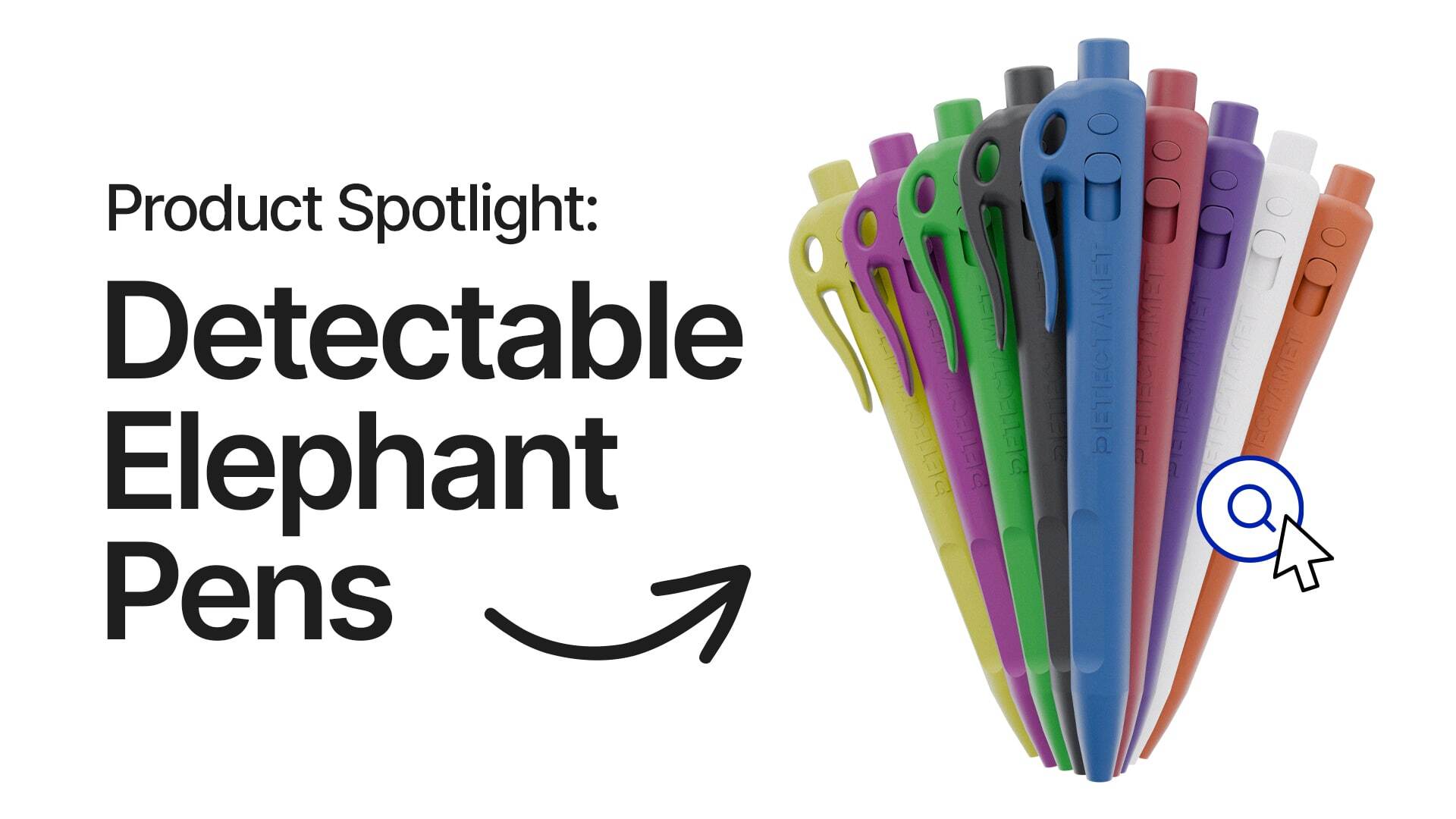
The pen is famously mightier than the sword! Well, we can’t think of many reasons you might need a sword in your food production facility, but there's a thousand and one mighty good reasons to have a reliable pen.
Our best-selling Metal Detectable & X-Ray Visible Elephant Pens are particularly suitable, because they're manufactured with our unique food-safe detectable polymer.
With their innovative design and robust performance, these pens have been specifically designed to help reduce your risk of foreign matter contamination.Why Choose Metal Detectable Elephant Pens?
These pens have been designed and fabricated to be perfect for environments where safety is paramount.
Shatterproof Design: The robust construction ensures durability and reliability even in demanding settings.
Customisation: We offer a range of colour options to support - Posted: November 05, 2024Categories: Education
 Read more »
Personal Protective Equipment (PPE) is a critical component in ensuring the safety of both your workers and your consumers, as well as for maintaining the integrity of your products. However, misuse and misunderstanding of PPE can lead to contamination, injury and regulatory non-compliance.
So, let’s look at some of the more common PPE mistakes in food processing and provide practical tips on how to avoid them.Basic principles of PPE in food processing
Let’s start with the essentials for effective PPE management in food manufacturing settings:
1. Adequate trainingMistake: Workers may not fully understand why PPE is important or how to use it correctly.
Solution: Implement comprehensive training programmes that cover the importance of PPE, how to wear it correctly and when to replace it. Regular refresher courses can help reinforce these concepts.
- Posted: October 24, 2024Categories: Awareness
 Read more »
At Detectamet, we take great pride in being a global leader in the manufacture of Metal Detectable and X-Ray Visible products, and in playing a role in helping to safeguard food safety worldwide. As a company rooted in British craftsmanship, we are equally proud to be members of the Made in Britain organisation.
Made in Britain is a hallmark of trust that is recognised and valued by businesses across the globe.
For food manufacturers who depend on uncompromising safety standards, the Made in Britain mark provides assurance of reliability and excellence.What is 'Made in Britain'?
The Made in Britain organisation unites the British manufacturing community under a shared trademark, which only members of the organisation are authorised
- Posted: October 22, 2024Categories: Education
 Read more »
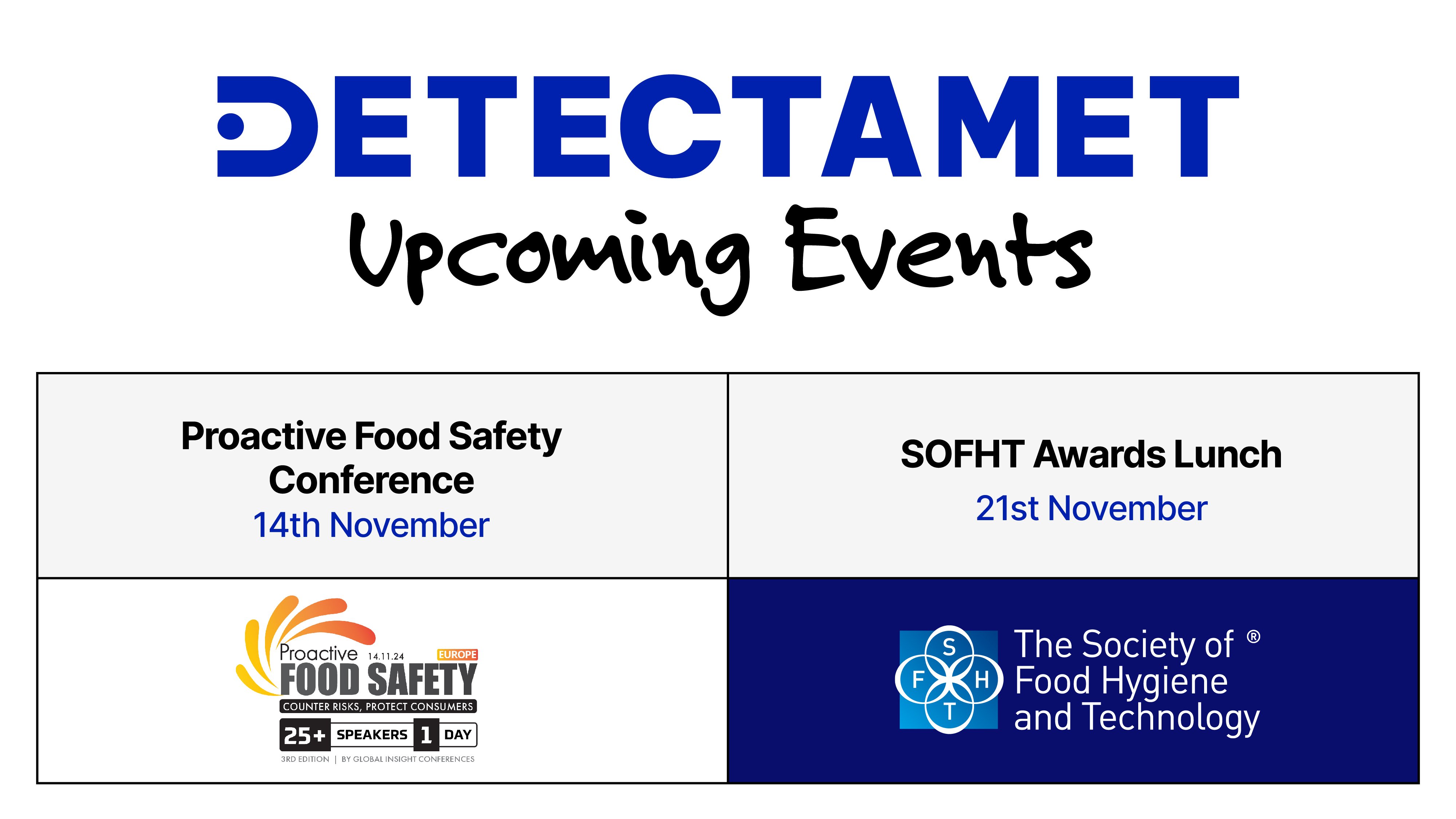
At Detectamet, we thrive on attending live events. These provide unrivaled opportunities for networking and collaboration with leading businesses in the food safety and processing industries. By engaging with other industry pioneers, we exchange ideas, share innovations and keep Detectamet at the cutting edge of industry trends and technological advancements.
Our presence at these events also gives you the opportunity to experience Detectamet’s world-leading Metal Detectable & X-Ray Visible Products firsthand. You’ll get to see our solutions in action and explore how they can enhance safety and compliance in your operations.
When you visit the DetectaTeam at any of these events, you can expect:
- Free Sample Packs: Get hands-on experience with the quality and reliability of our market-leading products.
- Cutting-Edge Solutions: Discover a comprehensive range of products designed to reduce foreign matter contamination